
RFID Labels
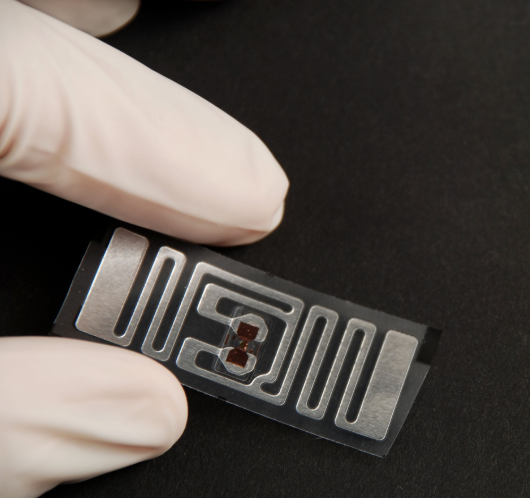
RFID labels converted as one construction.
Inlay, facestock, and adhesive built together. A barcode has to be seen. An RFID tag can be read through a carton, a pallet wrap, or a stack of vials — if the construction is right. We convert the label.
What we convert.
We convert custom RFID labels for biotech sample and kit tracking, and for government and program-supplier asset ID. The inlay is part of the label, not a sticker slapped on after print.
Tell us frequency if you already spec it (UHF or HF), the surface (plastic, glass, corrugated, metal), and whether labels ship encoded or blank.
How it gets used.
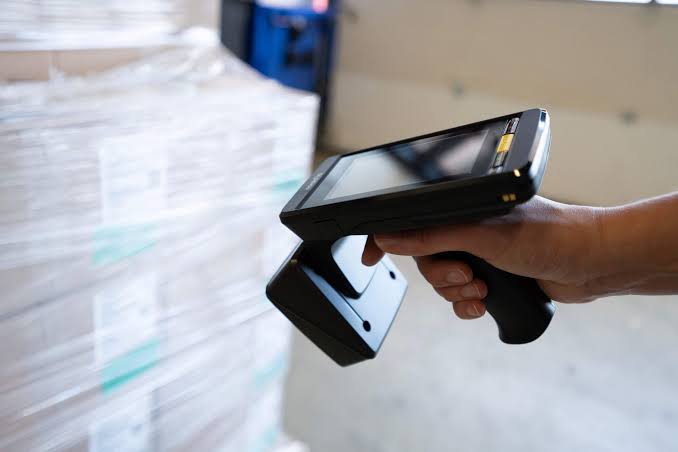
Handheld or fixed readers capture the tag without line of sight. That is the point of RFID versus a barcode. Metal and liquids can detune an inlay — say so on the RFQ so we spec the right construction.
We do not run a GSA storefront. Send the spec. We will quote the converted label.
Applications
- Biotech sample and kit tracking
- Secondary packaging and carton-level ID
- Government and program-supplier asset labels
- Warehouse and industrial identification
What we need on the RFQ
- Frequency (UHF or HF) if you already spec it
- Surface: plastic, glass, corrugated, or metal
- Environment: cold, solvent, outdoor, abrasion
- Quantity, and whether labels ship encoded or blank
Questions buyers ask about RFID labels
Can an RFID label be read through a carton?
Yes, if the construction is right. A barcode has to be seen. An RFID tag can be read through a carton, pallet wrap, or a stack of vials. Metal and liquids can detune an inlay. Say so on the RFQ.
What do you need on an RFID RFQ?
Frequency (UHF or HF) if you already spec it, surface, environment, quantity, and whether labels ship encoded or blank.
Do you convert RFID for biotech kits and government asset ID?
Yes. Biotech sample and kit tracking, secondary packaging, carton-level ID, and program-supplier asset labels.
Is this a GSA storefront?
No. Send the spec. We quote the converted label.
Send frequency, surface, and environment.